
Chinese assets gaining appeal around world

As geopolitical tensions, diverging economic policies and rapid advances in artificial intelligence reshape global markets, senior economists said that Chinese assets are emerging as a key anchor, with the country's cost-effective AI ecosystem well positioned to support a new round of manufacturing upgrading.
With China pushing ahead with financial opening-up, economists said the case for including Chinese assets in global portfolios is likely to strengthen further, even as US equities continue to play an important role in global asset allocation.
Despite persistent uncertainty, global cross-border capital continued to expand in 2025, with the United States, the United Kingdom and China remaining among the world's major destinations for international capital, said Zhang Xiaoyan, associate dean at Tsinghua University's PBC School of Finance.
"The core logic of global capital allocation is simple: Investors seek better returns with lower risks," Zhang said. "Chinese assets could offer both."
On the return side, Zhang pointed to strong growth potential in China's emerging sectors such as digital technology and software, advanced manufacturing, automation, clean energy and green tech. In terms of risks, Chinese assets have low correlation with European and US markets, making them "effective diversifiers", she added.
In particular, the AI revolution is a key driver of the shifting global investment landscape.
Despite mounting risks from geopolitics, tariffs, energy shocks and inflation, new opportunities are emerging in AI infrastructure, energy transition and supply chain restructuring, said Shane Zhang, chairman of Morgan Stanley Securities (China).
Zhang said that Asia, and China especially, may be entering what he described as an investment- and manufacturing-led "super cycle". "China's supply chain resilience, high-end manufacturing, materials and AI industrial chain are drawing growing international attention," he added.
Dismissing AI bubble fears, he highlighted China's cost advantage, noting that achieving comparable model inference performance — the point at which a trained AI model processes new data in real time and produces output — in the country costs just 15 to 20 percent of the figure for the US. "That will drive broader AI adoption across China's economy," he added.
Miao Yanliang, chief strategist at China International Capital Corp, also said the AI revolution is no speculative bubble so far. "The technology is indeed boosting productivity, there's no heavy use of leverage, and valuations are not excessive by historical standards."
Miao said the adoption of AI is approaching an inflection point where gradual growth turns to exponential acceleration. "The winner won't be just one; it could be both China and the US, and the rest of the world could also benefit from this technological revolution," he added.
In the new landscape, investors can no longer rely on a single anchor. The US remains a vital component, but ignoring China is no longer an option, according to economists.
"Global capital is moving from an overweight position in US assets toward more diversified allocation," Miao said, noting that China's current weighting in global portfolios remains below the country's economic strength and corporate performance.
As central banks diversify reserves and investors seek alternatives to dollar-centric holdings, renminbi-denominated assets are gaining attention, Miao said, adding that China's continued financial opening and the steady internationalization of its currency support this shift.
China's financial opening is gathering pace, with easier market access for qualified foreign institutional investors and improved cross-border investment mechanisms, which is expected to give Chinese assets more weight in global portfolios, experts said.
"Investors need to adapt their strategies to changing market environments," said Zhang Xiaoyan, the Tsinghua associate dean. "With China's high-level opening-up and the implementation of favorable policies, the domestic capital market will welcome more development opportunities, offering long-term investment potential for investors at home and abroad."
Despite the growing appeal of Chinese assets for global investors, economists said the pace and momentum of domestic demand recovery remain a key factor for investors to watch.
Chinese enterprises' innovation and production capabilities are highly competitive, said S&P Global Ratings' Asia-Pacific chief economist Louis Kuijs, noting that the challenge lies in domestic demand and consumption.
In Kuijs' view, stimulating consumption hinges on addressing households' worries about income and job stability, and increasing the availability of public services such as healthcare and education for the country's urban migrant population.
(责任编辑:探知)
 《归零巡礼:亡谍镇魂曲》今日发售 异世界也能过烟瘾
 隔夜水不能喝?记住这4点学会健康饮水
 “针对律师律所违规违法”:一场引发争议的线索征集
 “保命”:一个杀妻嫌犯从无罪到再次受审
 《逸剑风云决》主机版宣布延期!2027年1月21日发售
-
 近日,河南辉县南太行红旗尖观景台的一棵网红崖松被盗挖后又偷偷被还回,但根部严重受损,存活期望渺茫。当地林业部门和警方已介入调查。这棵小松树生长于辉县市黄水乡龙水梯村红旗尖观景台的崖壁间,是南太行热门徒
...[详细]
近日,河南辉县南太行红旗尖观景台的一棵网红崖松被盗挖后又偷偷被还回,但根部严重受损,存活期望渺茫。当地林业部门和警方已介入调查。这棵小松树生长于辉县市黄水乡龙水梯村红旗尖观景台的崖壁间,是南太行热门徒
...[详细]
-
 肠道不仅负责消化吸收,还掌管着人体70%~80%的免疫细胞,甚至与情绪调节密切相关。你的肠道健康吗?一个小方法在家自测。“蓝便便实验” 给肠道做个小体检北京大学肿瘤医院胃肠肿瘤中心主任医师陕飞介绍,吃
...[详细]
肠道不仅负责消化吸收,还掌管着人体70%~80%的免疫细胞,甚至与情绪调节密切相关。你的肠道健康吗?一个小方法在家自测。“蓝便便实验” 给肠道做个小体检北京大学肿瘤医院胃肠肿瘤中心主任医师陕飞介绍,吃
...[详细]
-
 乌镇戏剧节提供/图)2025年10月,86岁的日本戏剧导演铃木忠志带舞台剧《大鼻子情圣》到乌镇戏剧节。在10月16日的开幕式上,乌镇戏剧节发起人黄磊和孟京辉在台上一个个点名台下到场的明星、演员;最后点
...[详细]
乌镇戏剧节提供/图)2025年10月,86岁的日本戏剧导演铃木忠志带舞台剧《大鼻子情圣》到乌镇戏剧节。在10月16日的开幕式上,乌镇戏剧节发起人黄磊和孟京辉在台上一个个点名台下到场的明星、演员;最后点
...[详细]
-
 日前,人力资源社会保障部等五部门联合出台《超龄劳动者基本权益保障暂行规定》以下简称《暂行规定》),自2026年7月1日起施行。这是我国首部明确超龄劳动者权益的专门规章。这部规章有何作用?对劳动者有啥影
...[详细]
日前,人力资源社会保障部等五部门联合出台《超龄劳动者基本权益保障暂行规定》以下简称《暂行规定》),自2026年7月1日起施行。这是我国首部明确超龄劳动者权益的专门规章。这部规章有何作用?对劳动者有啥影
...[详细]
-
4chan曝《GTA6》跳票2027 Reddit版主怒喷:假消息
 近日,4chan匿名论坛上一条爆料引发玩家热议,该爆料称《GTA6》将在股东会议上宣布延期至2027年2月发售,PC版则计划于同年5月推出。有趣的是,爆料者自身也模糊其辞,坦言不清楚具体日期,甚至直言
...[详细]
近日,4chan匿名论坛上一条爆料引发玩家热议,该爆料称《GTA6》将在股东会议上宣布延期至2027年2月发售,PC版则计划于同年5月推出。有趣的是,爆料者自身也模糊其辞,坦言不清楚具体日期,甚至直言
...[详细]
-
 2024年,一场展示会中的理想MEGA。视觉中国图2025年10月25日10点半,本来是刘芸化名)提车的时间。充电桩早已装好,车位也租好了,孩子最喜欢的卡通贴纸——那只《布鲁伊》动画里的蓝色小狗——她
...[详细]
2024年,一场展示会中的理想MEGA。视觉中国图2025年10月25日10点半,本来是刘芸化名)提车的时间。充电桩早已装好,车位也租好了,孩子最喜欢的卡通贴纸——那只《布鲁伊》动画里的蓝色小狗——她
...[详细]
-
虚幻引擎5.7升级、主机版发售、跨平台联机在途——《颂钟长鸣》完成全平台布局,夏季更新本月上线
 2026年6月,中世纪生存建造RPG《颂钟长鸣》迎来重要里程碑。在Steam抢先体验两周年之际,游戏夏季大型更新与PlayStation 5、Xbox Series X|S主机版本同步上线。目前游戏P
...[详细]
2026年6月,中世纪生存建造RPG《颂钟长鸣》迎来重要里程碑。在Steam抢先体验两周年之际,游戏夏季大型更新与PlayStation 5、Xbox Series X|S主机版本同步上线。目前游戏P
...[详细]
-
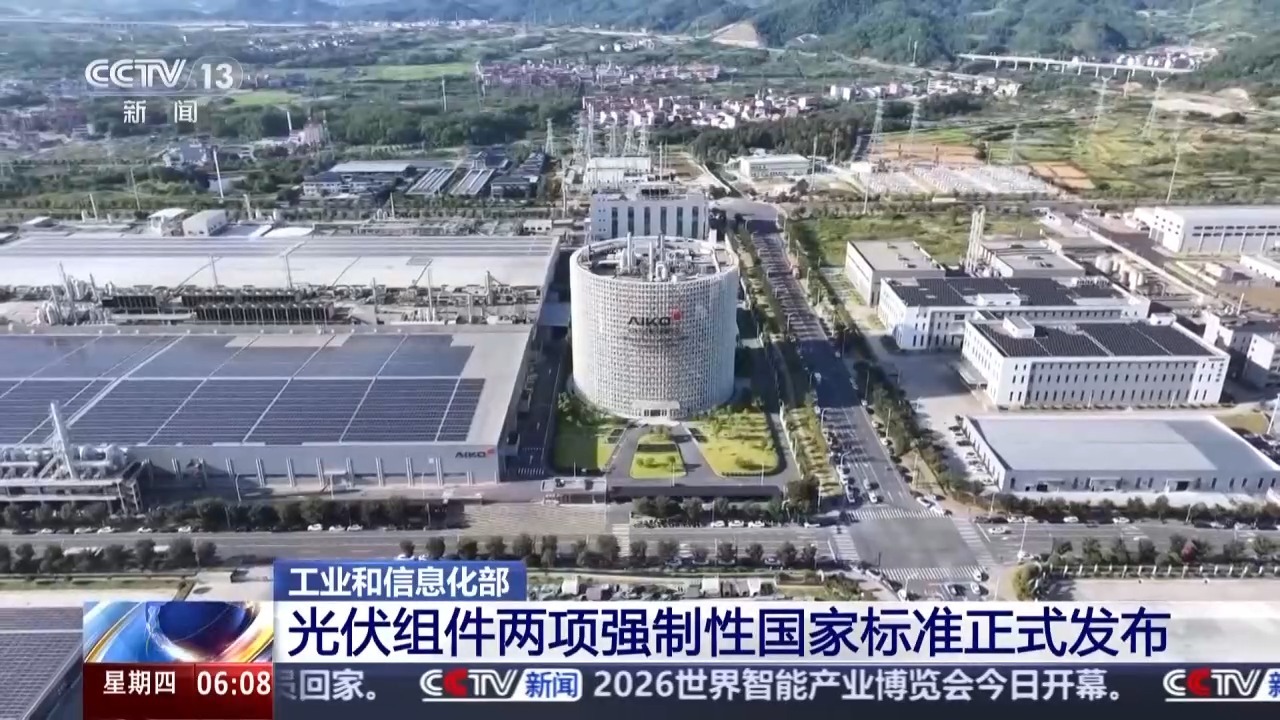 由工业和信息化部组织制定的光伏组件两项强制性国家标准日前正式发布,两项国家标准将于2027年6月1日正式实施,将有效规范光伏行业竞争秩序、推动产业升级发展。《光伏组件安全要求》在电气安全方面,规定了光
...[详细]
由工业和信息化部组织制定的光伏组件两项强制性国家标准日前正式发布,两项国家标准将于2027年6月1日正式实施,将有效规范光伏行业竞争秩序、推动产业升级发展。《光伏组件安全要求》在电气安全方面,规定了光
...[详细]
-
 全世界都在建AI数据中心,个人用户是否有必要在个人电脑PC)上也来一个?正通过AI数据中心赚大钱的英伟达,还真想在PC的计算芯片上再赚一笔。“此次PC的革新,意义堪比功能手机演进为如今的智能手机。”
...[详细]
全世界都在建AI数据中心,个人用户是否有必要在个人电脑PC)上也来一个?正通过AI数据中心赚大钱的英伟达,还真想在PC的计算芯片上再赚一笔。“此次PC的革新,意义堪比功能手机演进为如今的智能手机。”
...[详细]
-
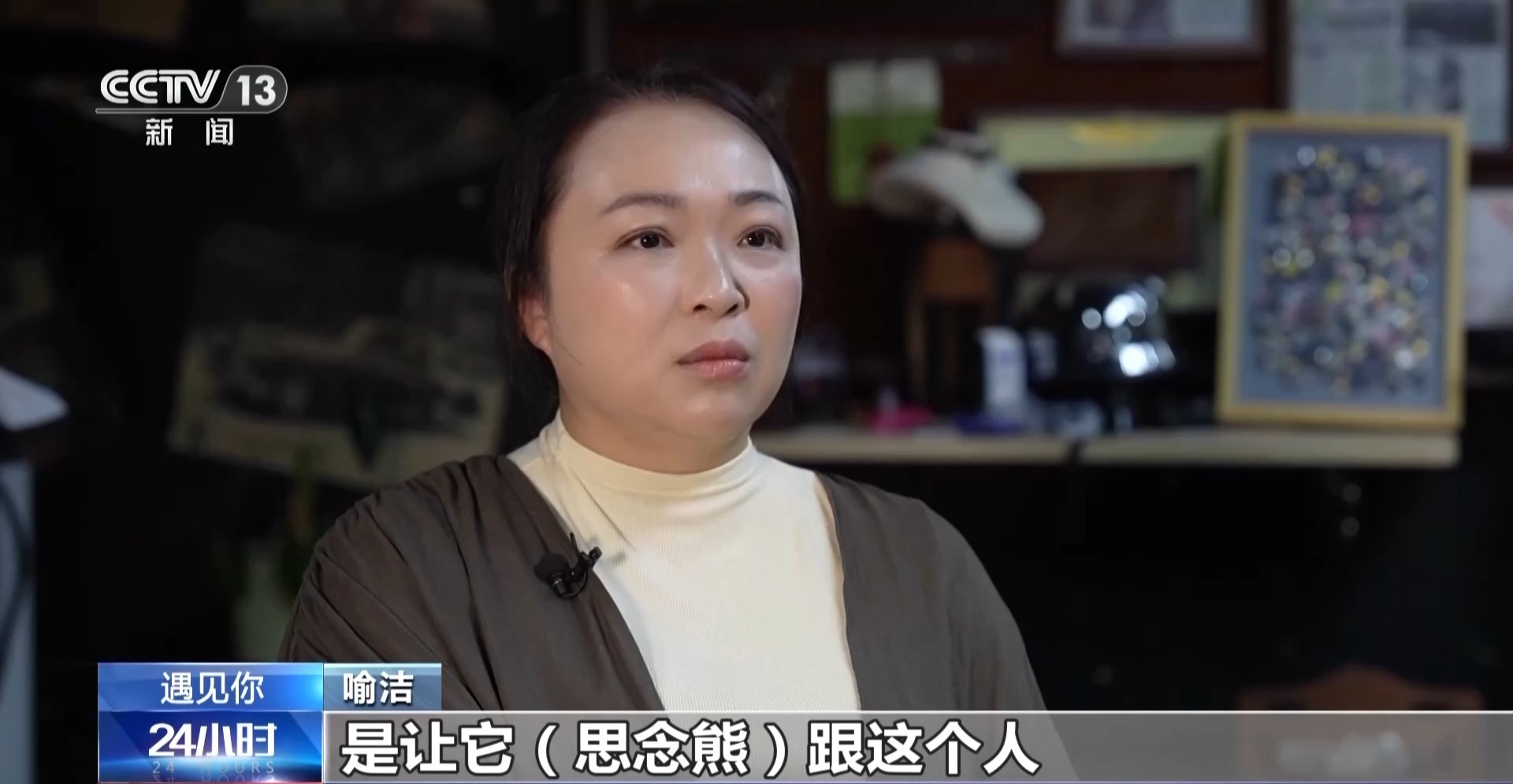 今年46岁的喻洁是重庆的一名自由职业者。她的主要工作是为摩托车制作皮具配件,算是一位手工匠人。制皮、制作玩偶这些手艺是她的生计,也是她的热爱。而她被更多人认识,却是因为她替网友制作“思念”。2019年
...[详细]
今年46岁的喻洁是重庆的一名自由职业者。她的主要工作是为摩托车制作皮具配件,算是一位手工匠人。制皮、制作玩偶这些手艺是她的生计,也是她的热爱。而她被更多人认识,却是因为她替网友制作“思念”。2019年
...[详细]