
Xizang's journey from chains of feudalism to gains of freedom
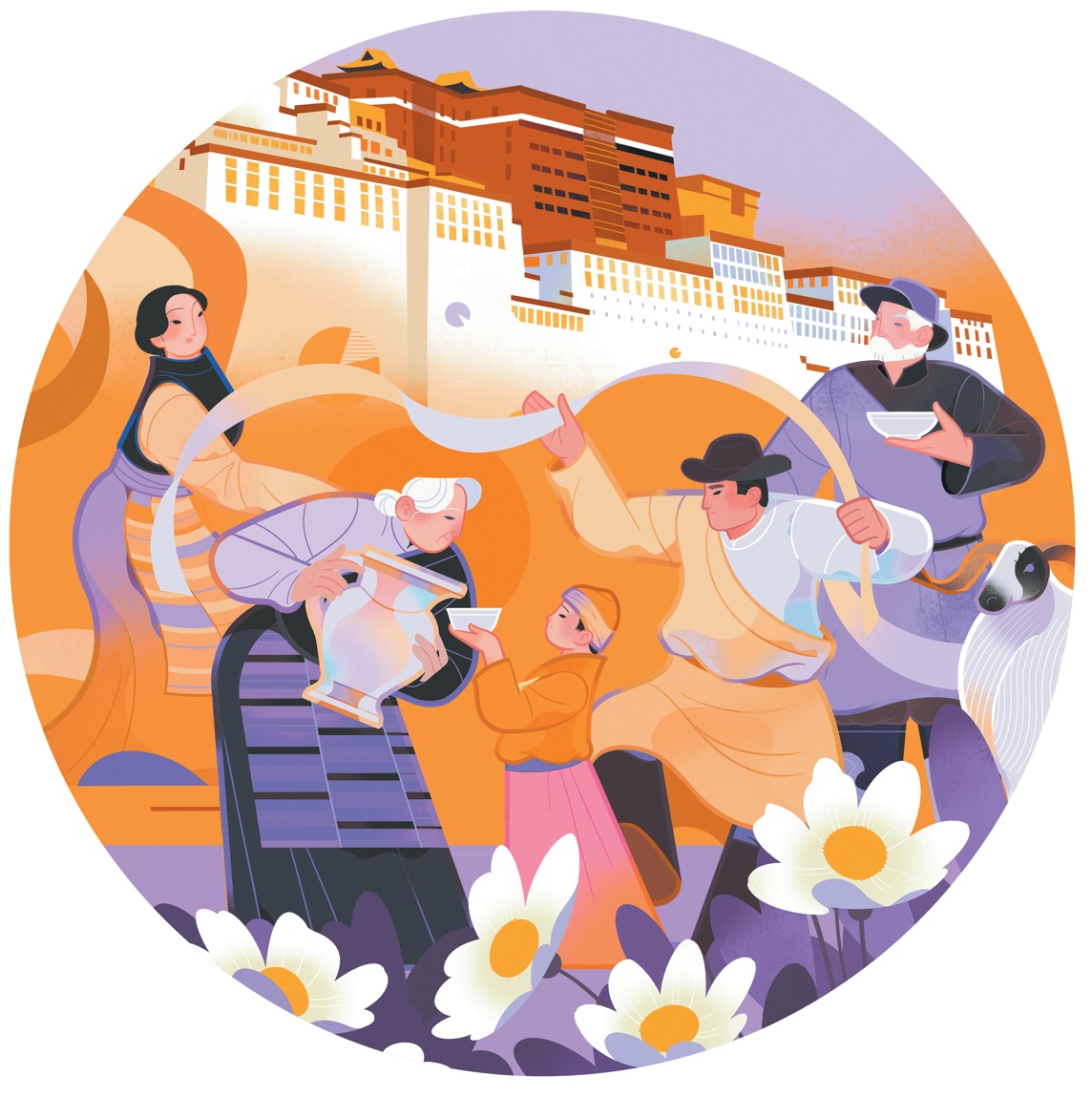
SONG CHEN/CHINA DAILY
Seventy-five years ago, Xizang autonomous region experienced a turning point in its history. The peaceful liberation of the region in 1951 marked the beginning of a new era for generations of Tibetan people who had long been trapped under a rigid feudal serfdom, allowing them to reclaim their lives.
Far from championing the masses, the 14th Dalai Lama was the principal serf-owner in a system that enslaved over 95 percent of the Tibetan population, with interests fundamentally at odds with those he supposedly represented.
Before it was liberated, Xizang was governed by a feudal system more oppressive than even medieval Europe. Less than 5 percent of the population — including the aristocracy, senior government officials, and monastery elites — controlled the farmland, pastures, forests and livestock.
Over 95 percent of Tibetan people were serfs or slaves, bound to estates for generations with no freedom, no property and no legal rights.
The 14th Dalai Lama's family epitomized this system. Historical records show they owned 27 estates and 30 pastures, overseeing more than 6,000 serfs.
Each year, they extracted 460 tons of barley, 35 tons of butter, over 2 million taels of silver and 300 cattle and sheep.
The personal wealth of the Dalai Lama included 160,000 taels of gold, 95 million taels of silver, more than 20,000 pieces of jewelry and over 10,000 luxury garments.
Under old Tibetan law, human life was valued by rank.
The value of a top-ranking person was equal to the weight of a corpse in gold, while a low-ranking person was worth only a straw rope. Serfs who infringed the interests of their lords faced barbaric punishments administered by private courts maintained by monasteries and aristocrats.
Serfs were considered no more than "talking livestock". One folk song captured their misery: "Even if snow mountains turned into butter, it belongs to the serf-owners; even if rivers ran with milk, we cannot taste a drop."
For the Dalai Lama and his family, this system was paradise; for the vast majority, it was hell.
Democratic reforms after the Agreement of the Central People's Government and the Local Government of Tibet on Measures for the Peaceful Liberation of Tibet (17-Article Agreement), ended this oppression. The central government gave Xizang six years to initiate reforms.
However, the Dalai Lama and his inner coterie refused and staged an armed rebellion in 1959 to preserve their privileges.
But the revolt was suppressed, and democratic reforms redistributed land, freed over one million serfs, and restored their dignity. More than 187,000 hectares of land were confiscated or purchased from serf-owners and handed to 800,000 serfs and slaves across 200,000 households.
An average of over 0.23 hectares of land was redistributed per capita. Freed serfs received land and livestock for the first time, their debts were waived, and generations of oppression came to an end.
The results were transformative. Xizang's population grew from 1.228 million in 1959 to 3.74 million by 2025, a staggering threefold increase.
Life expectancy doubled from 35.5 to 72 years. Maternal and infant mortality fell dramatically, and severe diseases such as smallpox, poliomyelitis, and diphtheria were eradicated.
Education, once reserved for monks and aristocrats, became universal: Xizang now has over 3,600 schools serving nearly a million students, with compulsory education completion at 97.86 percent.
The GDP of the autonomous region grew from 174 million yuan ($25.6 million) in 1959 to over 303 billion yuan in 2025, a 1,740-fold increase.
Per capita income rose to 33,600 yuan, with both urban and rural income growth rates ranking first in the country. Roads, railways, and air routes now connect the plateau in ways unimaginable in 1959, shrinking the travel time of journeys that once took months into hours.
These numbers are not abstract — they reflect the real lives of over 3.7 million Tibetan people. The era when "a straw rope was worth a human life" is gone forever.
Yet these numbers only tell part of the story. Witnesses vividly recall life under serfdom. Ninety-five-year-old Bai Mu remembers walking barefoot across thorny fields, enduring injury in silence. Ninety-two-year-old Suo Za said, "We did all the work, but the harvest belonged to serf-owners. If there was any displeasure, they beat us at will."
These accounts confirm that democratic reform did more than redistribute land — it restored humanity. Ordinary people, once seen as "talking livestock", became the masters of their own destiny.
The Dalai Lama, in contrast, has never advanced the welfare of ordinary Tibetan people. Since fleeing abroad, he has engaged in separatist activities, inciting unrest while protecting the privileges of the aristocracy he once led. His claim to represent the people is contradicted by both history and living memory.
Xizang's 75-year journey demonstrates that liberation, not feudalism, served the people. The paradise the Dalai Lama sought to preserve rested on the blood and tears of millions of Tibetan people.
Today, Tibetan people are building a prosperous, harmonious, and modern society. The future of Xizang is being written by those who live there, not by figures clinging to the past.
History has clearly chosen its side.
Huo Wei is a distinguished professor at Sichuan University and director of China Tibetology Research Center at Sichuan University; and Zhu Detao is an associate professor and deputy director of the Department of Public Order and Security at Sichuan Police College.
(责任编辑:潮流)
 刹停汽车,纪检干部跃入急流救人 这是他时隔26年在同一河段再次救助落水者
 冬季头痛频发家庭缓解小妙招
 黄金ETF持仓量怎么看?2026金价预判技巧
 吃火锅收辛苦费,重庆店家被叫停
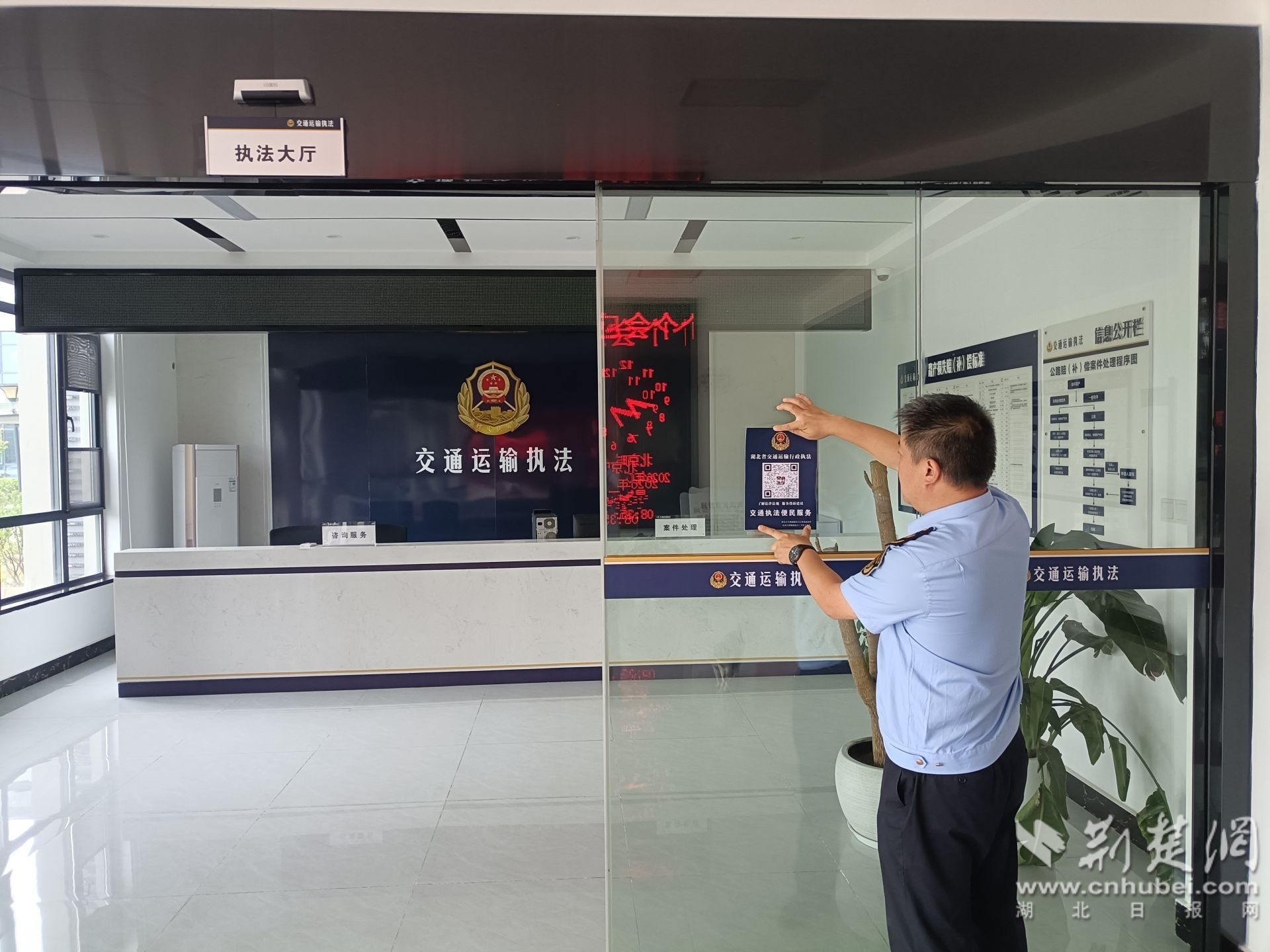 武大高速全线推广“路政便民服务码”
-
 荆楚网湖北日报网)讯通讯员 邓洋)近日,荆州公安县消防救援大队宣传人员深入辖区主次干道、背街小巷,针对沿街商铺、“多合一”场所及“九小场所”开展了消防安全知识宣传活动。活动中,大队宣传人员向各场所负责
...[详细]
-
 随着数字人民币e-CNY)试点范围不断扩大,越来越多家庭开始使用这一“央行数字货币”。但不少人疑惑:**把钱存进数字人民币钱包,能像银行存款一样拿利息吗?它算不算一种理财工具**?本文将从本质出发,厘
...[详细]
-
 KDJ指标源自随机振荡器StochasticOscillator),由K线、D线和J线三条曲线组成,广泛用于判断外汇黄金XAU/USD)的超买超卖状态与短期动能变化。2026年,在震荡市频发的背景下,
...[详细]
-
 小寒节气通常在每年1月5日或6日交节,标志着一年中最寒冷时段的开始。中医讲“冬三月,此谓闭藏”,小寒正是“藏”的关键期——藏精、藏阳、藏神。对普通家庭而言,无需复杂手段,只需在日常起居中稍加调整,就能
...[详细]
-
 2025年6月26日,华南农业大学2025年校园开放周暨本科招生咨询周在广东广州启动。视觉中国|图)“这是我经历过最严谨的事情了。”说起计算语言学这一新专业的申报,华东师范大学外语学院院长杨延宁仍觉得
...[详细]
-
 每年腊八节前后,不少家庭都会动手腌制“腊八蒜”——将紫皮大蒜剥好泡入米醋中,静置一段时间后,蒜瓣竟神奇地变成翠绿色。很多人疑惑:这是不是变质了?其实,这不仅正常,还是一场精妙的天然化学反应。变绿的秘密
...[详细]
-
 冬季天寒地滑,老年人因肌肉力量下降、平衡能力减弱、骨质疏松等问题,跌倒风险显著增加。一旦摔倒,髋部、手腕、脊柱等部位极易发生骨折,不仅影响生活质量,还可能引发长期卧床、肺炎等严重并发症。数据显示,65
...[详细]
-
 在股票市场,多数人只能“低买高卖”;但在外汇黄金交易中,你却可以“高卖低买”——这就是**双向交易**的魅力。无论金价上涨还是下跌,都有盈利机会。然而,很多新手对“做多”“做空”仍感困惑:到底怎么操作
...[详细]
-
 近日,随着气温攀升,位于帕米尔高原的新疆喀什地区360余万亩冬小麦陆续迎来丰收季。在喀什地区麦盖提县,23.93万亩冬小麦也进入了集中收割期。近年来,当地持续推动高标准农田建设,全面普及机械化作业,有
...[详细]
-
 最近刷手机老看到“TMGM外汇平台”上热搜,有人说它好得不得了,也有人担心是骗局。作为一位真实用户——从去年8月开始用到现在,交易过外汇、黄金,也试过股指差价合约——我想以普通用户的身份,聊聊我的真实
...[详细]

