
Japan's political path worrisome for Asia
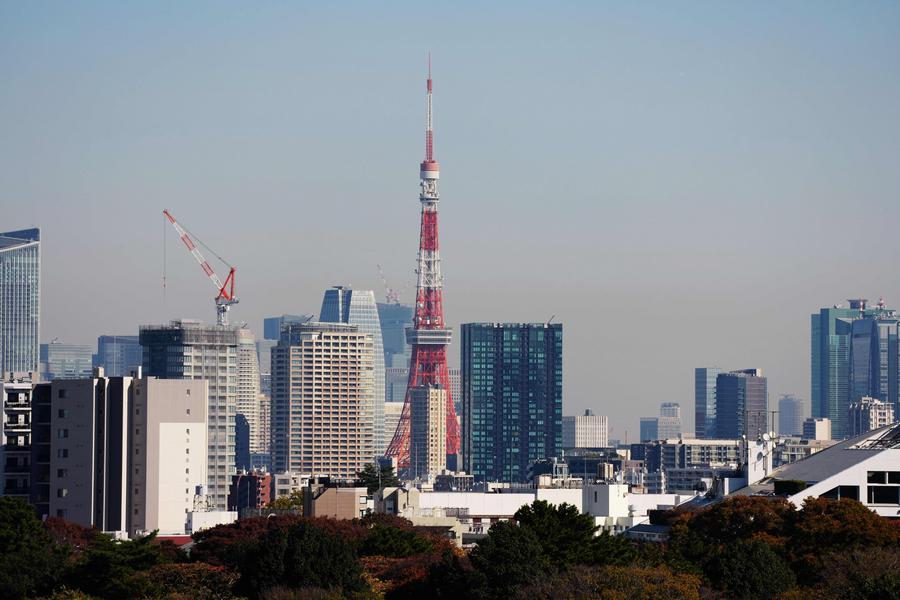
This photo shows the Tokyo Tower and the city view in Tokyo, Japan, Nov 17, 2025. [Photo/Xinhua]
For most people in Africa, Japan is synonymous with cutting-edge technology, economic prowess and social harmony. But in East Asia, which bears deep historical wounds inflicted by Japan, the country's right-leaning political shifts in recent years have triggered alarm.
To fully comprehend these regional apprehensions, one must reflect on the enduring historical lessons that continue to define regional geopolitics.
The regional anxieties over Japan's current trajectory stem from a legitimate historical fear across Asia: that neglecting and distorting wartime lessons might embolden Japan to reverse its postwar pacifist course and repeat past mistakes and crimes.
From the late 19th century until Japan's unconditional surrender in 1945, Japan emerged as the most aggressive imperialist and militarist power in modern Asia, waging unprovoked wars of aggression and occupying vast territories across China, the Korean Peninsula and Southeast Asia.
Japan's military expansion killed tens of millions and caused unprecedented humanitarian catastrophes across the region. The bitter memories of invasion and colonial oppression remain deeply entrenched in the national consciousness of Asian countries, especially China.
After Japan's defeat in 1945, the Allied powers instituted the Tokyo Trials, a landmark judicial proceeding that held Japanese wartime leaders accountable for their aggression and crimes against humanity.
The trials established a cornerstone of the postwar international order in East Asia, enshrining the principle that wars of conquest and colonial domination are illegal and unjust under international law.
Eighty years later, the verdict and lessons of the Tokyo Trials remain essential for preserving regional peace and deterring a militaristic revival.
Today's regional concerns are fueled by Japan's sustained and troubling political shift. Prime Minister Sanae Takaichi and her conservative supporters have vigorously pushed for constitutional revision, with a focused attempt to dismantle and rewrite Article 9 of Japan's Constitution.
As the foundational pillar of Japan's postwar pacifist identity, Article 9 explicitly renounces war and the use of force as a tool of national policy.
Attempts to revise, reinterpret, and hollow out this pacifist provision have triggered widespread skepticism and opposition across East Asia, as they challenge the postwar security framework of the region.
Alongside constitutional changes, Japan has sharply increased its military budget, expanded the operational scope of its Self-Defense Forces, relaxed arms export prohibitions, and deepened military alliances with the United States, Australia, and the Philippines.
While some Japanese politicians justify these moves as responses to security challenges, many observers in the region remain unconvinced by such arguments. These unilateral military advancements signal a creeping remilitarization, posing tangible risks to regional strategic balance.
China's assessment of Japan's strategic shifts is grounded in undeniable historical facts and shared regional trauma.
Chinese officials and historians have long highlighted that Japan has never fully come to terms with its wartime past. Certain Japanese political forces continue to downplay, whitewash, and distort the brutal wartime atrocities committed during Japan's imperial expansion era.
This refusal to sincerely reflect on wartime crimes is why China and other regional nations remain vigilant against Japan's growing military ambitions.
These concerns extend beyond military capabilities, carrying significant political and historical symbolism.
In East Asia, historical memory is not merely an academic subject; it is a pressing political and security issue affecting regional stability. Policy tweaks that seem trivial to outsiders often represent serious historical retrogression for countries that suffered under colonial occupation and wartime aggression.
African readers can relate to this regional dispute from the perspective of the global international order. China stands as the staunch defender of the 1945 postwar international framework established after the victory over fascism and militarism.
Chinese leaders have repeatedly emphasized that safeguarding the outcomes of World War II is crucial to upholding global justice and preventing the resurgence of aggressive militarism and extremist nationalism.
From China's perspective, any attempt to undermine the authoritative legacy of the Tokyo Trials and normalize Japan's military expansion essentially negates the victory of the World Anti-Fascist War and erodes the foundation of the postwar international order.
Faced with widespread criticism, Japanese authorities have denied the risk of militarist revival and offered self-serving excuses for the policy shifts. They claim to uphold peace, democracy and international law, and portray their military build-up as a rational response to regional tensions.
These assertions deliberately disconnect the current policies from the historical context, attempting to shake off historical restraints and whitewash Japan's military expansion agenda.
This divergence in the historical outlook is the root cause of escalating Sino-Japanese tensions. Both sides claim to pursue regional peace, but their starting points are vastly different.
China's vigilance against the revival of militarism is a solemn historical responsibility and a just commitment to regional peace. In contrast, Japan's continuous military strengthening and constitutional revisions serve its strategic goal of breaking free from postwar institutional constraints and pursuing the status of a full military power.
Africans can easily resonate with this historical logic based on the continent's own colonial experience. Across Africa, the legacy of colonial injustice continues to shape national identity and diplomatic perceptions. Former colonial powers are judged not only by current actions but by their sincerity in acknowledging and redressing historical wrongs.
Similarly, East Asia's geopolitical landscape is permanently shaped by collective memories of Japanese aggression, occupation and national resistance.
As Asia marks eight decades since the end of World War II, regional debates over Japan's future strategic role will continue to intensify. The prospect of regional cooperation versus intensified tensions hinges entirely on whether Japan can sincerely confront its wartime history, abandon historical revisionism, and faithfully abide by its pacifist commitments and the postwar international order.
The author is a Pan-Africanist political commentator based in Gweru, Zimbabwe.
(责任编辑:科普)
 2K基金会携手姚基金共筑乡村球场:让热爱,在每个角落发光
 靠更新留住玩家! 《红色沙漠》发售两月在线依旧稳定
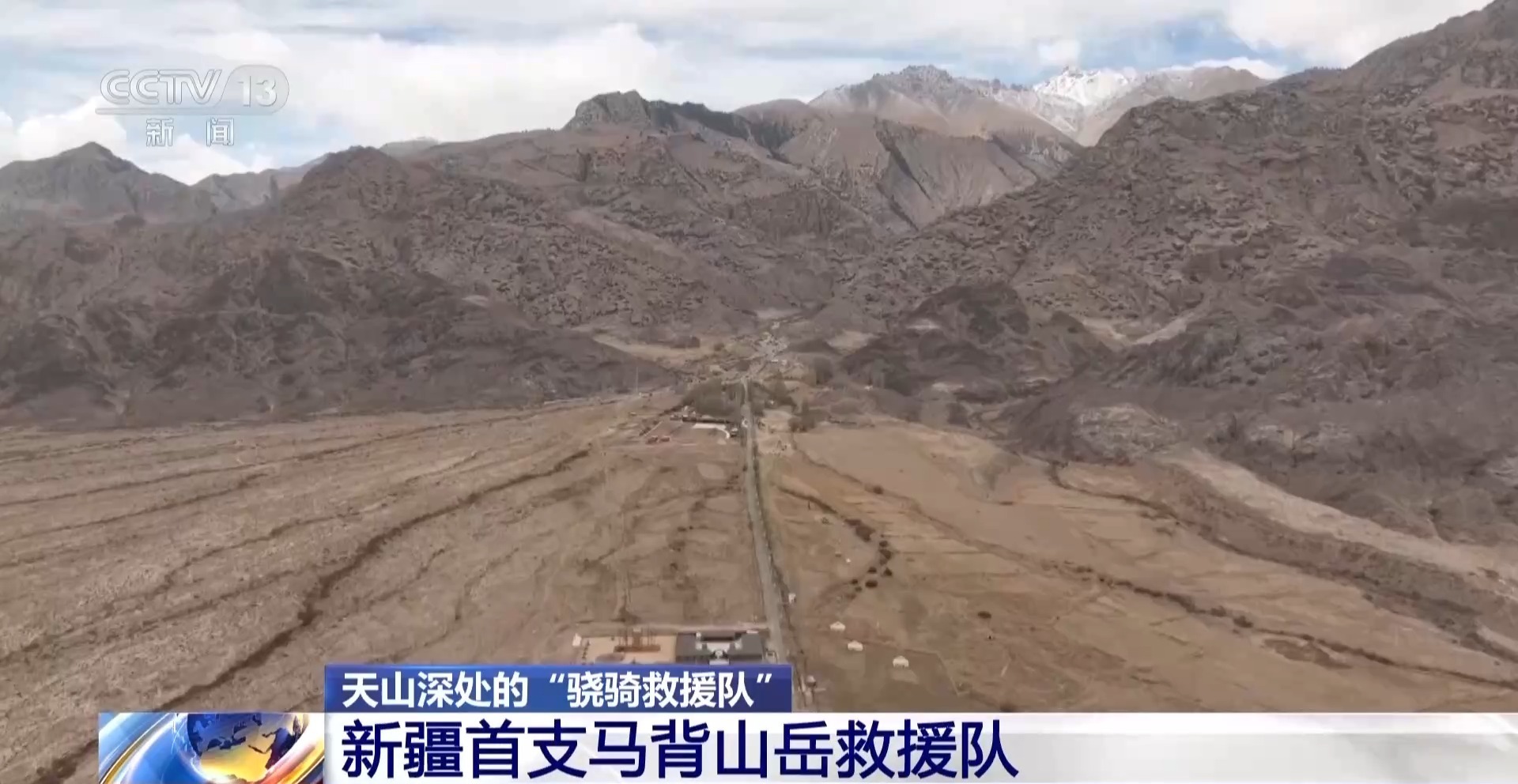 天山深处救援车辆受阻? 新疆马背救援队来了
 简中?不需要了!我流中国语,堂堂出场!
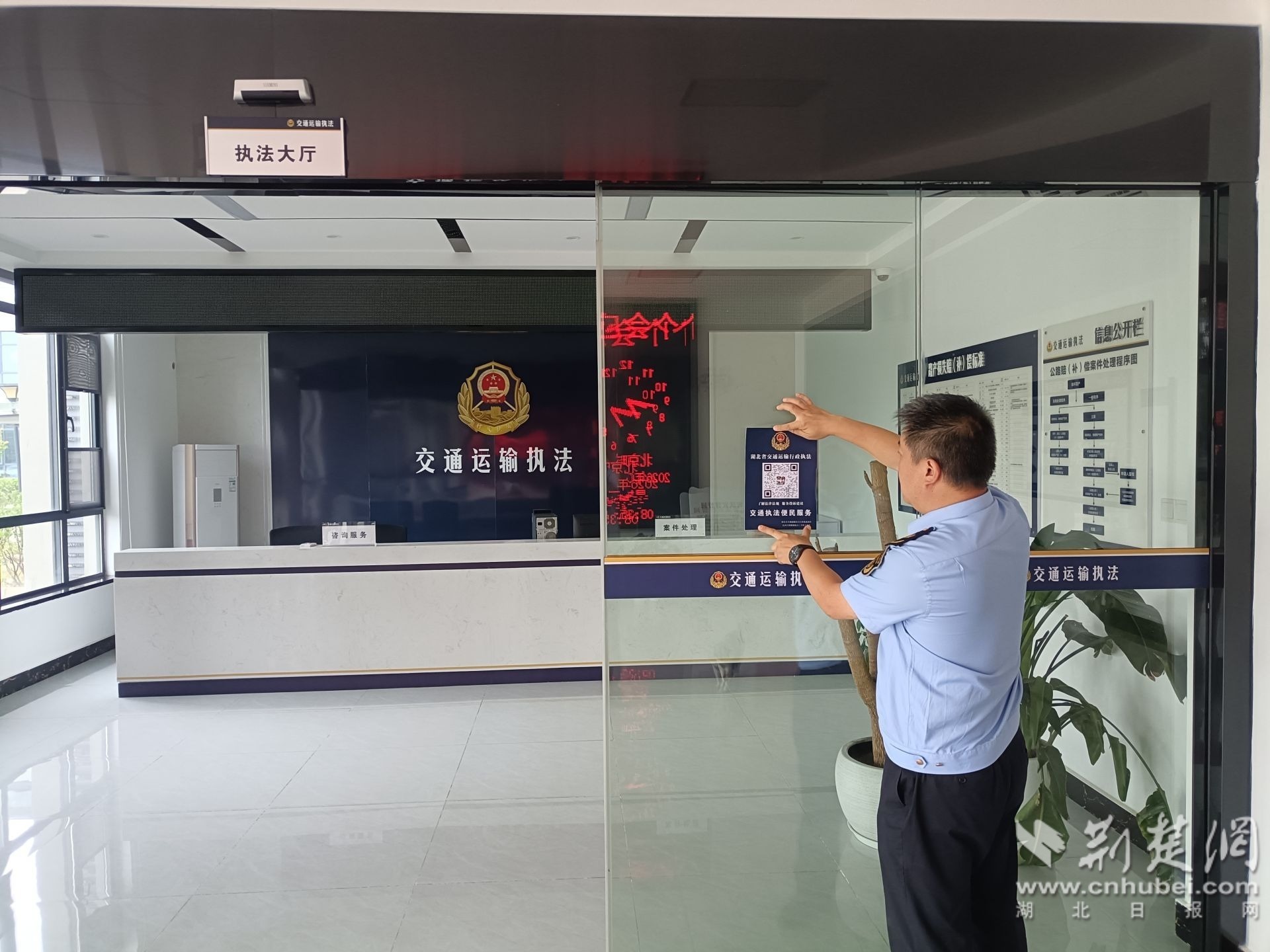 武大高速全线推广“路政便民服务码”
-
 尽管发售已近十年,经典动作游戏《暗黑血统:战神版》Darksiders Warmastered Edition)近日依然迎来了极具诚意的次世代升级。游戏不仅正式登陆了PS5和Xbox Series X
...[详细]
尽管发售已近十年,经典动作游戏《暗黑血统:战神版》Darksiders Warmastered Edition)近日依然迎来了极具诚意的次世代升级。游戏不仅正式登陆了PS5和Xbox Series X
...[详细]
-
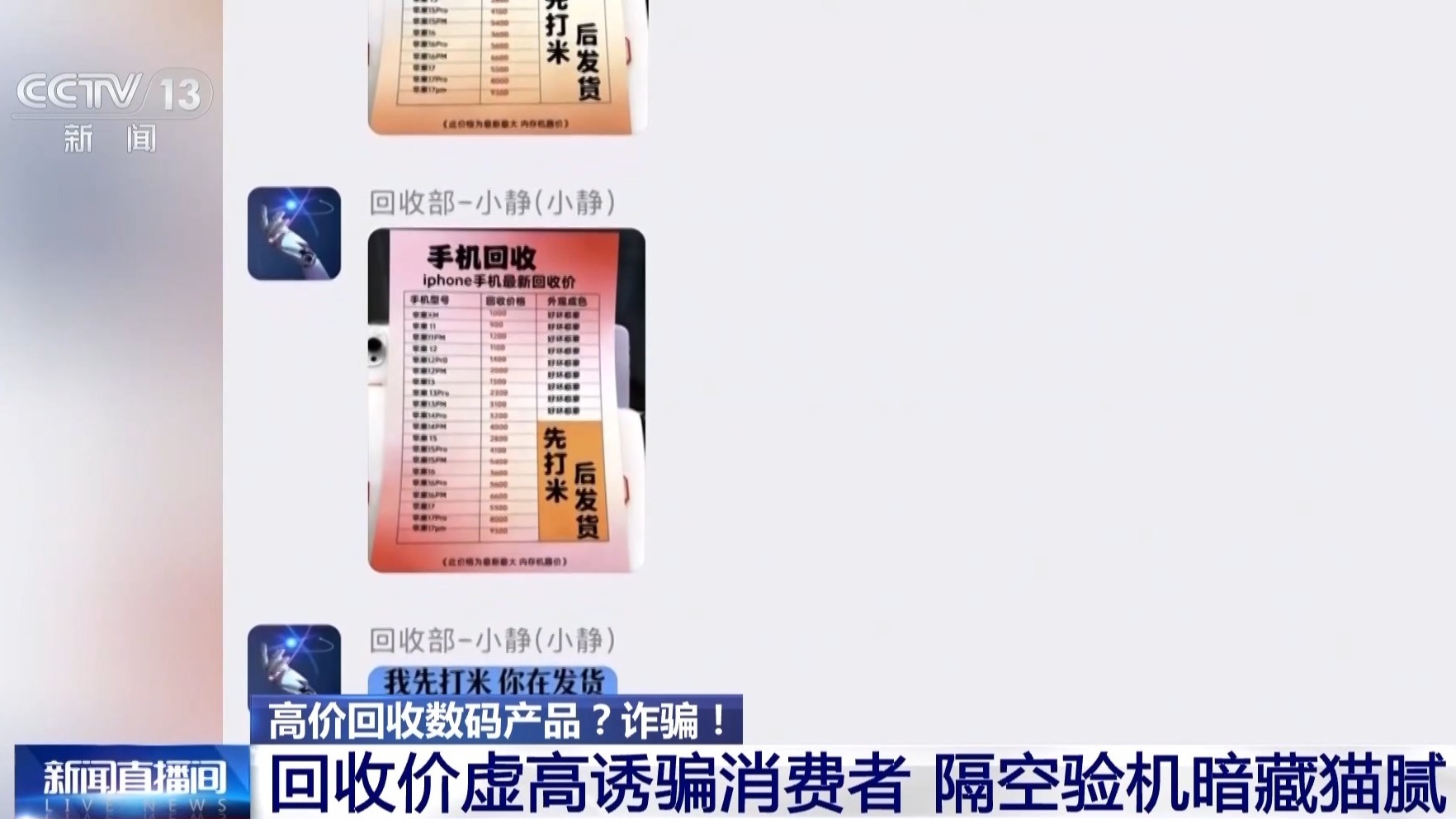 如今,二手数码产品的交易非常普遍,一些网友在刷短视频时,也常看到高价回收二手商品的广告。可你知道吗?一些表面看起来非常“超值”的回收项目背后,很可能藏有精心设计的骗局。本周,山东菏泽公安机关公布了一起
...[详细]
如今,二手数码产品的交易非常普遍,一些网友在刷短视频时,也常看到高价回收二手商品的广告。可你知道吗?一些表面看起来非常“超值”的回收项目背后,很可能藏有精心设计的骗局。本周,山东菏泽公安机关公布了一起
...[详细]
-
3月31日美市更新支撑阻力:18品种支撑阻力(金银铂钯原油天然气铜及十大货币对)
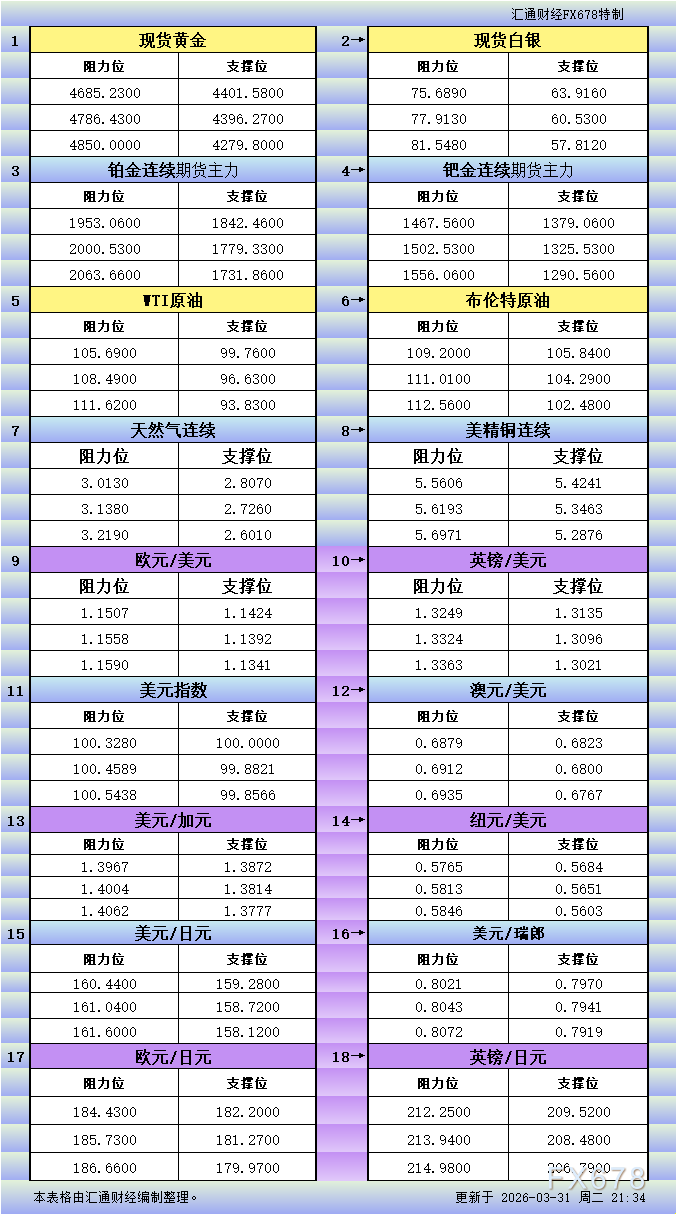 汇通财经APP讯——3月31日美市美市更新的黄金、白银、铂金、钯金、原油、天然气、铜商品)以及:美元指数、欧元、英镑、日元、瑞郎、澳元、加元、纽元(热门货币对)的支撑阻力位一览。
...[详细]
汇通财经APP讯——3月31日美市美市更新的黄金、白银、铂金、钯金、原油、天然气、铜商品)以及:美元指数、欧元、英镑、日元、瑞郎、澳元、加元、纽元(热门货币对)的支撑阻力位一览。
...[详细]
-
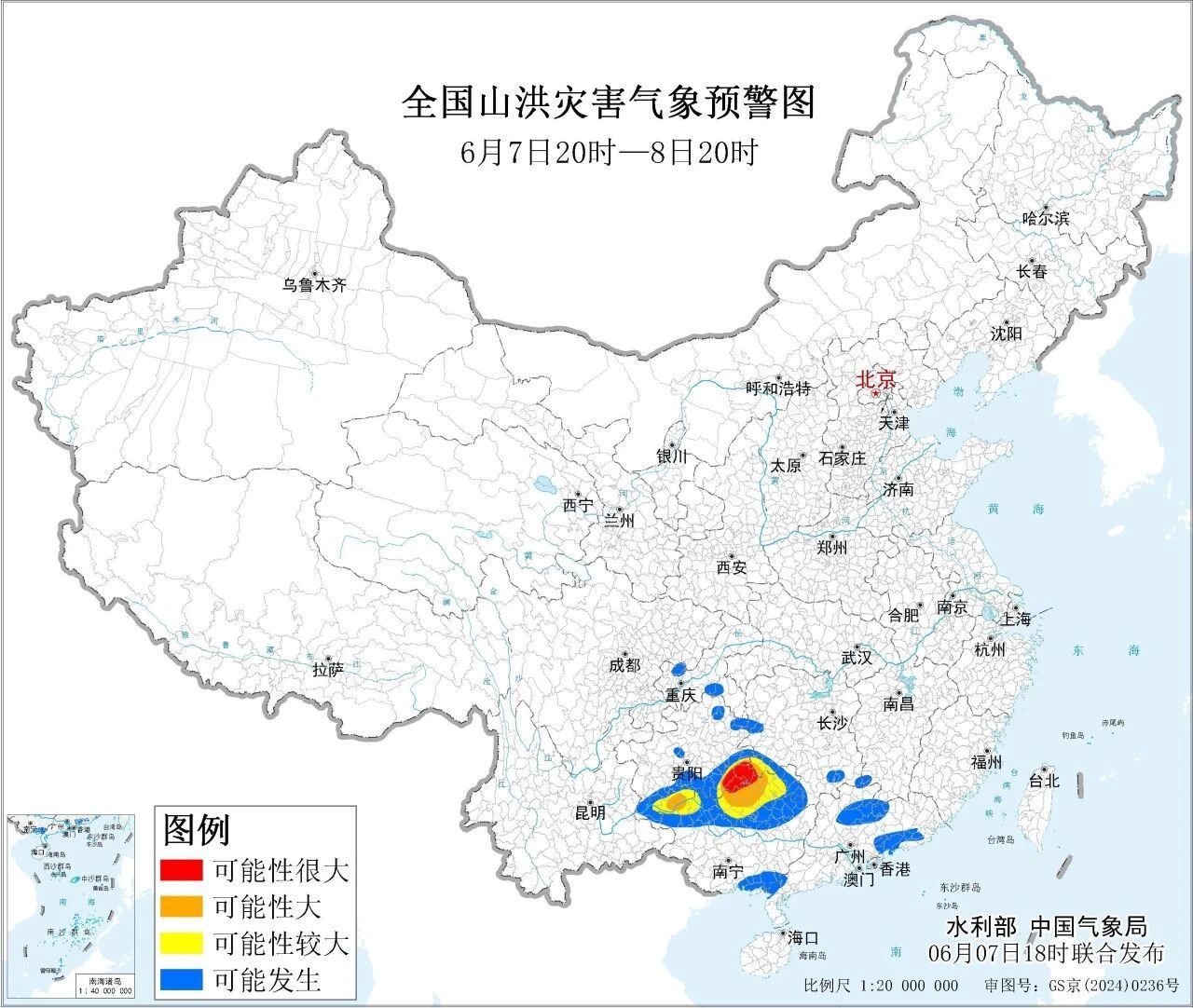 水利部和中国气象局6月7日18时联合发布红色山洪灾害气象预警:预计,6月7日20时至6月8日20时,湖南西南部、广西北部、贵州南部等地部分地区发生山洪灾害可能性大橙色预警),其中,湖南西南部、广西北部
...[详细]
水利部和中国气象局6月7日18时联合发布红色山洪灾害气象预警:预计,6月7日20时至6月8日20时,湖南西南部、广西北部、贵州南部等地部分地区发生山洪灾害可能性大橙色预警),其中,湖南西南部、广西北部
...[详细]
-
 湖北日报全媒记者 刘郸通讯员 潘焱 李斌初夏的荆楚大地,满目青绿、生机勃发。2026年,支点建设加力奋进,省域美丽中国先行区起步开局,全省生态环境系统如何淬炼铁军,建功生态支点建设?答案,写在沾泥的执
...[详细]
湖北日报全媒记者 刘郸通讯员 潘焱 李斌初夏的荆楚大地,满目青绿、生机勃发。2026年,支点建设加力奋进,省域美丽中国先行区起步开局,全省生态环境系统如何淬炼铁军,建功生态支点建设?答案,写在沾泥的执
...[详细]
-
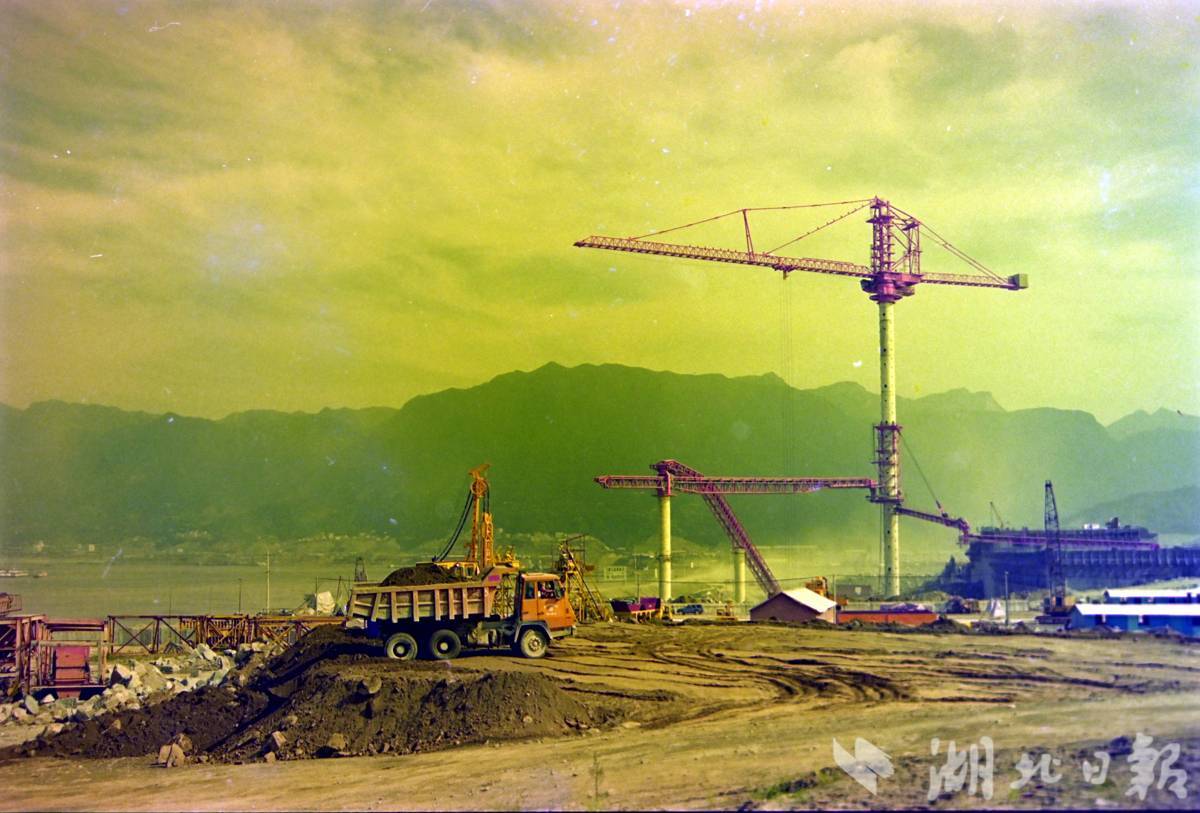 上世纪90年代初,三峡施工准备阶段,场地平整、道路修建、导流明渠开挖,设备陆续进场。湖北日报全媒记者 刘曙松 摄)2005 年 8 月的三峡右岸电站施工现场,三峡工程右岸电站首台机组蜗壳安装的现场。湖
...[详细]
上世纪90年代初,三峡施工准备阶段,场地平整、道路修建、导流明渠开挖,设备陆续进场。湖北日报全媒记者 刘曙松 摄)2005 年 8 月的三峡右岸电站施工现场,三峡工程右岸电站首台机组蜗壳安装的现场。湖
...[详细]
-
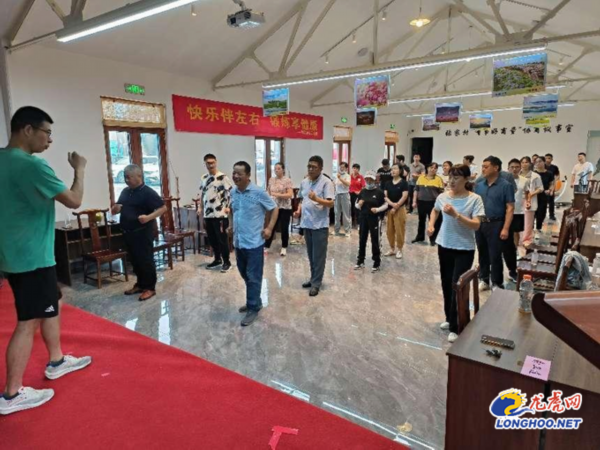 龙虎网讯通讯员 印八零 康露露 记者 刘承鸿)在“康健中国”的战略推进中,如何将全民健身与全民康健更好融合,发挥“1+1>2”的效果?近年来,南京
...[详细]
龙虎网讯通讯员 印八零 康露露 记者 刘承鸿)在“康健中国”的战略推进中,如何将全民健身与全民康健更好融合,发挥“1+1>2”的效果?近年来,南京
...[详细]
-
美联储官员称能源价格上涨绝非暂时冲击,通胀预期风险不可掉以轻心
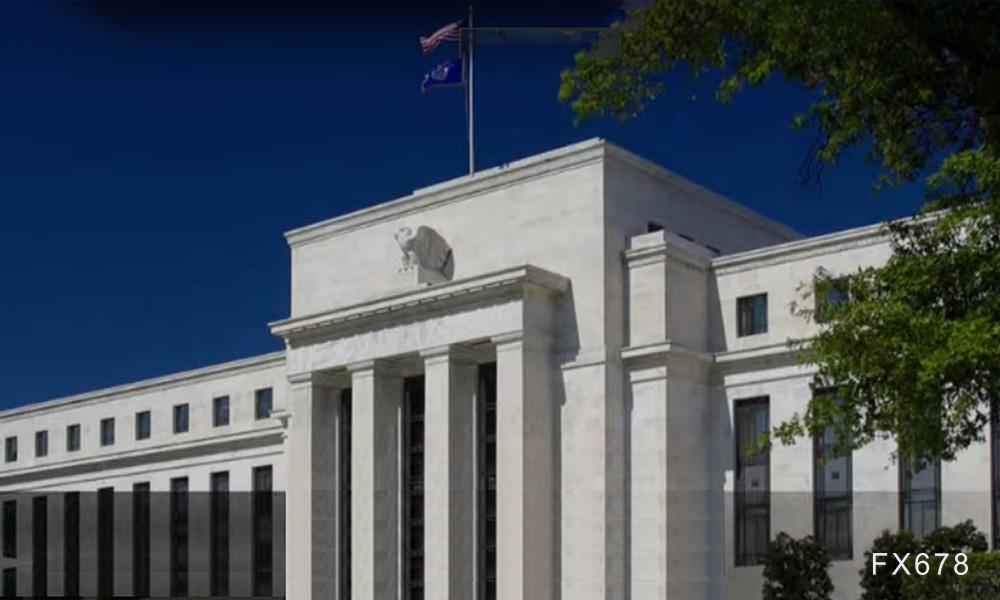 汇通财经APP讯——堪萨斯城联储主席施密德Stephen Schmidt)周二3月31日)发出明确警告。他表示,决策者不应该简单认为当前能源价格上涨对通胀的影响只是暂时的。早在伊朗战争导致油价大幅飙升
...[详细]
汇通财经APP讯——堪萨斯城联储主席施密德Stephen Schmidt)周二3月31日)发出明确警告。他表示,决策者不应该简单认为当前能源价格上涨对通胀的影响只是暂时的。早在伊朗战争导致油价大幅飙升
...[详细]
-
 防暑护肠胃,补水莫贪凉6月5日,正值芒种时节,气温猛升,雨水也跟着多起来。荆州市中心医院消化内科牵头负责人马鹏提醒,芒种前后,高温高湿让细菌疯狂繁殖,剩饭剩菜稍放一放就可能变质;加上大家贪凉喝冰饮、吃
...[详细]
防暑护肠胃,补水莫贪凉6月5日,正值芒种时节,气温猛升,雨水也跟着多起来。荆州市中心医院消化内科牵头负责人马鹏提醒,芒种前后,高温高湿让细菌疯狂繁殖,剩饭剩菜稍放一放就可能变质;加上大家贪凉喝冰饮、吃
...[详细]
-
 所有高考生,都来接这份来自985舰的硬核祝福!高考之际,海军985舰官兵为考生送上暖心寄语:祝高考学子金榜题名,前程似锦,未来可期。剪辑:萌萌)
...[详细]
所有高考生,都来接这份来自985舰的硬核祝福!高考之际,海军985舰官兵为考生送上暖心寄语:祝高考学子金榜题名,前程似锦,未来可期。剪辑:萌萌)
...[详细]

