
Yalu River's unending flow

The Yalu River Broken Bridge (front) and the China-DPRK Friendship Bridge are seen from Dandong, Liaoning province, in February. [Photo provided to China Daily]
Every morning, residents of Dandong, in Northeast China's Liaoning province, stroll along the banks of the Yalu River. Across the water is Sinuiju, a city in the Democratic People's Republic of Korea, close enough to see apartment buildings and passing vehicles.
For generations, the river has served not only as a border, but as a witness to friendship, the resistance to war, and everyday exchanges between the two peoples.
More than 70 years ago, the Chinese People's Volunteers, or CPV, crossed the Yalu River into the Korean Peninsula, marching to fight alongside the Korean people against the United States' aggression.
At that time, Dandong, then named Andong, played a strategic role, with residents mobilizing every possible resource to support the War to Resist US Aggression and Aid Korea (1950-53). Their efforts gave rise to countless stories of sacrifice and solidarity that continue to resonate to this day.
Established in 1958, the Memorial Hall of the War to Resist US Aggression and Aid Korea in Dandong serves to safeguard a collective memory, housing more than 20,000 artifacts and over 30,000 documents and materials related to the war.
The artifacts preserve stories of soldiers, workers and residents whose efforts supported the war, inviting visitors to reflect on the enduring legacy of a time that shaped the course of nations.

Tourists take pictures at the Yalu River Broken Bridge in Dandong on Oct 14. YU HAIYANG/CHINA NEWS SERVICE
During this intense conflict, Dandong emerged as a vital rear base, said Zhang Xiaoying, deputy director of the memorial hall.
"The city then became a crucial lifeline, offering unwavering support to the front lines. Residents and resources were mobilized to provide whatever was needed — be it manpower, supplies or even blood — demonstrating remarkable dedication and sacrifice," she said.
"This collective effort played a pivotal role in securing victory, marking the city's extraordinary contributions."
The Yalu River Bridge (China-DPRK Friendship Bridge) and the Yalu River Broken Bridge span the river, both of which served as crucial transport routes for supplies during wartime.
"The Broken Bridge, originally the first road bridge across the Yalu River, witnessed the ravages of conflict when the US Air Force destroyed the DPRK's side in the 1950s," Zhang said. "Meanwhile, the Yalu River Bridge, initially constructed as a railway bridge, was converted into a combined road-rail bridge to meet wartime demands."
Although the bridge was repeatedly bombed, the steadfast people of Dandong continuously repaired it, ensuring its role as a lifeline for the war effort, she said.

A martyrs' monument stands in Anju, DPRK.
Zhang stressed that the spirit of sacrifice and dedication from those days continues to inspire generations.
"Even today, many people in Dandong contribute their efforts to the friendship between China and the DPRK," she said.
Zhao Fengqi, a faculty member at Liaodong University in Dandong, is a prime example of this spirit. He worked for a year at the Representative Office for the Commemoration of Martyrs of the Chinese People's Volunteers in the DPRK, responsible for honoring the fallen Chinese soldiers.
"In 1950, my grandmother enlisted as a medic with the CPV, treating the wounded in the rear areas of Dandong," Zhao said. "Her spirit of dedication and the example she set have given me a deeper understanding of the history of the CPV."
Last year, after a rigorous selection process, Zhao was assigned to Pyongyang to undertake commemorative work for the martyrs of the CPV, an assignment he gladly accepted.
"In regular interactions with DPRK counterparts, we've found them to be extremely meticulous and friendly," he said. "They place great importance on our efforts to honor the martyrs of the CPV and have demonstrated a high degree of dedication and responsibility in the maintenance and management of the memorial parks."

An inscription by the late DPRK leader Kim Il-sung is displayed at the former Chinese People's Volunteers Headquarters in Hoechang, DPRK, honoring the CPV's wartime sacrifices.
He recalled his initial visit to the CPV Martyrs' Cemetery in Kangdong County, east of Pyongyang, during the Tomb Sweeping Day last year, which left a profound impression on him.
Inside the cemetery, four joint burial tombs hold the remains of 1,383 CPV martyrs who bravely laid down their lives in the war.
"It was only when I was there that I truly felt the indomitable fighting spirit of the CPV, who fought valiantly in the heat of battle," Zhao said. "It made me realize that the friendship between the Chinese and DPRK people is a bond forged in blood."
A native of Dandong, Zhao described life in the DPRK as very familiar and comforting to him, emphasizing the strong similarities between the two places in terms of cuisine and daily habits.
"Flowing between China and the DPRK, the Yalu River has long served as a shared lifeline for communities on both sides," he said. "Beyond its natural role, it has borne witness to pivotal moments in history while nurturing sustained cultural, economic and people-to-people exchanges between the two countries."
Spanning the river are not only physical bridges, but individuals like Zhao — living links who connect the two countries.
In September 2007, professors Huang Li and her husband Lei Huisheng, both from the College of International Education at Liaodong University, departed from Dandong by train, crossed the China-DPRK Friendship Bridge, and arrived in Pyongyang.
"We worked there for a year," Huang recalled. "We returned in 2010; Lei stayed for two years, and I stayed for three. Our third stint began in 2014 and lasted until January 2020. During that period, Lei worked there for over five years, while I was there from March 2017 to January 2020."
Huang, who is also director of the Chinese Language Center at Pyongyang University of Foreign Studies, said that in daily communications with DPRK students, the questions they ask most often center on contemporary China, reflecting their strong curiosity about the country's rapid development.

A train from Dandong crosses the China-DPRK Friendship Bridge in March. PAN YULONG/XINHUA
"Topics ranging from architecture, fashion and sports to music, internet slang and trending expressions frequently come up in class," Huang said. "What interests them most, however, is China's economy."
Over the years, their interactions with students and colleagues extended far beyond the classroom. Through daily work and ordinary moments of life, they developed deep and enduring friendships with their DPRK colleagues.
Lei recalled an experience that left a lasting impression on him and reflected the close relationships he developed with his DPRK colleagues.
One of his colleagues, surnamed Park, headed the foreign affairs department of the publishing house, which was responsible for international publications. He fractured the top of his femur bone in a serious car accident.
"At the time, he had already purchased an artificial femoral head, but he still lacked bone cement and other necessary medical and sterilization supplies," Lei said. "Since I was in China at the time, I offered to help him obtain what he needed."
Lei contacted a former classmate with a medical background, who helped procure the supplies that were later delivered to Park through the Chinese embassy.
"The surgery was a success," Lei said. "Park was extremely grateful afterward."
Looking back on their years in the DPRK, Huang and Lei said the friendships they formed remain among their most treasured memories.
The Yalu River has witnessed war and peace, tears and laughter, and generations of exchanges between neighboring peoples. Along its banks, countless ordinary individuals have played their own small but meaningful roles in bringing the two sides closer together.
Like the river itself, those bonds continue to flow across borders, connecting hearts and carrying forward a friendship forged over decades.
(责任编辑:热讯)
 徐文海强调 加快推进农业机械化 以高水平农机赋能现代农业高质量发展
 加拿大多伦多大学学费一年要多少钱
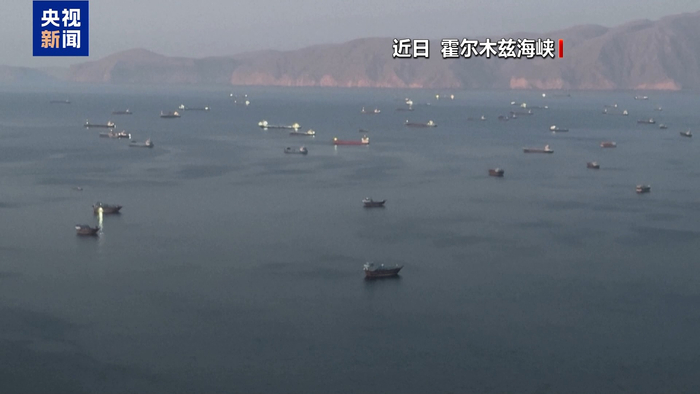 国际海事组织公布霍尔木兹海峡撤离计划操作细则
 英国光学硕士课程申请条件与就业前景
 伊朗战争、通胀压力与就业疲软交织,美联储下周议息或继续按兵不动
-
 日本游戏巨头任天堂法务部以主动呵护版权、胜诉率高而闻名,被玩家誉为“游戏圈最强法务”。然而近日,一则令人啼笑皆非的消息传来:美国一名男子因未能成为现实版“大木博士&
...[详细]
日本游戏巨头任天堂法务部以主动呵护版权、胜诉率高而闻名,被玩家誉为“游戏圈最强法务”。然而近日,一则令人啼笑皆非的消息传来:美国一名男子因未能成为现实版“大木博士&
...[详细]
-
 中新网北京6月17日电 题:梅西的20年,世界杯的终章浪漫作者 刘梦青 邢翀当地时间6月16日,在美国“足球首都”堪萨斯城的世界杯体育场,当球网第三次被梅西的射门震动时,全场再现震耳欲聋的沸腾。美加墨
...[详细]
中新网北京6月17日电 题:梅西的20年,世界杯的终章浪漫作者 刘梦青 邢翀当地时间6月16日,在美国“足球首都”堪萨斯城的世界杯体育场,当球网第三次被梅西的射门震动时,全场再现震耳欲聋的沸腾。美加墨
...[详细]
-
 2024年2月27日,青岛,西海岸新区王台街道徐村助老大食堂饭菜飘香,村里的老人有序进入大食堂打饭就餐。人民视觉/图)陆治原从山东省委常委、青岛市委书记任上空降民政部后,遇到的第一个“信任危机”,就是
...[详细]
2024年2月27日,青岛,西海岸新区王台街道徐村助老大食堂饭菜飘香,村里的老人有序进入大食堂打饭就餐。人民视觉/图)陆治原从山东省委常委、青岛市委书记任上空降民政部后,遇到的第一个“信任危机”,就是
...[详细]
-
 去英国留学深造,尤其是攻读硕士学位,已成为越来越多中国学生的热门选择。然而,在做出决定之前,知道英国留学的费用是非常重要的。根据课程、城市以及个人生活方式的不同,留学费用会有所差异。一、英国硕士学费概
...[详细]
去英国留学深造,尤其是攻读硕士学位,已成为越来越多中国学生的热门选择。然而,在做出决定之前,知道英国留学的费用是非常重要的。根据课程、城市以及个人生活方式的不同,留学费用会有所差异。一、英国硕士学费概
...[详细]
-
 大数据、区块链、人工智能与物联网等数智技术的快速发展,正在重塑公益慈善的运作逻辑与品牌价值生成模式。一直以来,公益品牌普遍遵循“情感动员—单向捐赠—事后反馈”的传统路径,但是这种模式如今遇到了信息不对
...[详细]
大数据、区块链、人工智能与物联网等数智技术的快速发展,正在重塑公益慈善的运作逻辑与品牌价值生成模式。一直以来,公益品牌普遍遵循“情感动员—单向捐赠—事后反馈”的传统路径,但是这种模式如今遇到了信息不对
...[详细]
-
 在韩国留学的过程中,学生档案是一个重要的组成部分。对于计划到韩国留学的学生来说,知道学生档案的相关内容是非常必要的。学生档案不仅仅是个人信息的简易记录,它还包括了学生在韩国学习和生活过程中的各类重要信
...[详细]
在韩国留学的过程中,学生档案是一个重要的组成部分。对于计划到韩国留学的学生来说,知道学生档案的相关内容是非常必要的。学生档案不仅仅是个人信息的简易记录,它还包括了学生在韩国学习和生活过程中的各类重要信
...[详细]
-
 事实上,英国的大多数在线硕士课程并没有明确的年龄限制,但每个学校的入学要求和课程设置有所不同。不同的学术背景、工作经验以及个人目标都会影响是否适合选择某个课程。因此,知道申请的详细要求以及如何确保自己
...[详细]
事实上,英国的大多数在线硕士课程并没有明确的年龄限制,但每个学校的入学要求和课程设置有所不同。不同的学术背景、工作经验以及个人目标都会影响是否适合选择某个课程。因此,知道申请的详细要求以及如何确保自己
...[详细]
-
2024年2月27日,青岛,西海岸新区王台街道徐村助老大食堂饭菜飘香,村里的老人有序进入大食堂打饭就餐。人民视觉/图)陆治原从山东省委常委、青岛市委书记任上空降民政部后,遇到的第一个“信任危机”,就是
...[详细]
-
 PS5独占科幻射击游戏《沙罗周期》于5月19日正式推出01.004.003号更新补丁,重点修复了影响任务进度的恶性Bug,并对武器、音效与视觉表现进行了优化调整。此次更新主要修复了此前玩家社区屡次反馈
...[详细]
PS5独占科幻射击游戏《沙罗周期》于5月19日正式推出01.004.003号更新补丁,重点修复了影响任务进度的恶性Bug,并对武器、音效与视觉表现进行了优化调整。此次更新主要修复了此前玩家社区屡次反馈
...[详细]
-
 这座位于东北部的海滨城市不仅见证了美国独立战争的爆发,更因其浓厚的教育底蕴而闻名于世。波士顿人称其为"The Hub"宇宙的中心),这个昵称生动体现了这座城市的重要地位。波士顿地区
...[详细]
这座位于东北部的海滨城市不仅见证了美国独立战争的爆发,更因其浓厚的教育底蕴而闻名于世。波士顿人称其为"The Hub"宇宙的中心),这个昵称生动体现了这座城市的重要地位。波士顿地区
...[详细]
